
 Printer-friendly version

 By Kristen Romea, LCSW, Director of Supportive Services, and leaders of the Encanto 4th Thursday Caregivers Support Group: Linda Cochran-Johnson, Naomi Rogers-Bea, and Roberta Stokes
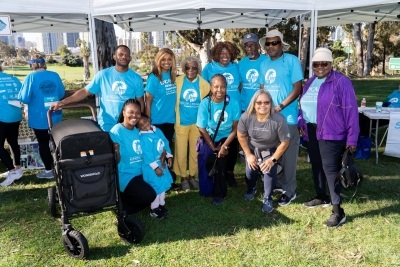
Photo courtesy Alzheimer's San Diego
February 18, 2026 (San Diego) -- Black History Month is a time to celebrate the culture and contributions of Black Americans. However, these celebrations are also an opportunity to examine the disparities many Black Americans experience, especially when it comes to their cognitive health.
Though wider American society has made strides in racial equity, there are still troubling disparities between Black Americans' experiences with brain health when compared to their White counterparts. A 2021 study by the National Institute on Aging found that Black Americans are roughly 1.5 to two times as likely to develop Alzheimer’s as white Americans, but they are 35% less likely to be diagnosed with progressive brain diseases.
These statistics speak to the wider, systemic inequities Black Americans face. High blood pressure, unchecked stress and depression, diabetes, and heart disease are all common risk factors that increase the chances of developing dementia. The Black community, particularly Black men, is disproportionately impacted by all of these factors.
62% of Black Americans believe medical research is biased against people of color and less than half feel confident they can access culturally relevant services. The general mistrust of medical institutions within the Black community, combined with the widespread lack of culturally competent care, further exacerbates the risks that aging Black Americans face.
Even those who do seek care are left wanting, feeling ostracized by the system that is supposed to help them. Half of Black Americans report experiencing discrimination while seeking care for Alzheimer’s. The evidence is clear and startling: Black Americans are more impacted by cognitive decline than their White peers, yet they’re simply not getting care, due to misconceptions around the medical establishment or lack of quality care options.
These statistics may be disheartening, but there are many reasons for the San Diego Black community to feel hopeful. For starters, research shows that a large majority of Black Americans are deeply loyal to their families, with 82% of Black Americans defining success by how they’re able to provide for their family. This translates to caring for older adults in the community, with more than half of Black Americans with dementia found to live with their adult children, who serve as informal caregivers. While informal caregivers experience a unique set of challenges on their own, they play a critical role in their loved ones’ health, and this is reason enough to hope.
Caregivers can attend both in-person and virtual caregiver support meetings led by trained facilitators through Alzheimer’s San Diego, available in locations across San Diego County. One example is the Encanto 4th Thursday Caregivers support group in Central San Diego, a faith-based gathering that comes together every fourth Thursday of the month at Skyline Hills Library to offer caregivers a safe, welcoming space to speak openly about their challenges. At these gatherings, caregivers share lived experiences, receive practical guidance for navigating the caregiving journey, and connect with a community that truly understands, helping to ease compassion fatigue and strengthen their ability to care for others.
In addition to caregiver support groups, Alzheimer’s San Diego offers dozens of programs aimed at combating dementia in the Black community. We offer free memory screenings outside of typical medical facilities, eliminating the obstacles that often keep aging Black Americans from getting care, like long wait times.
Alzheimer’s San Diego also offers dementia-specific classes at libraries, care facilities, and community centers across San Diego County, bringing key educational opportunities and awareness directly to Black communities. These classes and offerings are culturally relevant to the specific neighborhood they’re presented in, ensuring that Black San Diegans can access culturally competent services.
The best way you can bridge the gap between Black and white Americans in dementia prevention and care is by becoming a vocal advocate for dementia awareness. Don’t let your family, friends, and neighbors suffer in silence–reach out and let them know that there are free programs in San Diego County they can access that will make a major difference in their lives.
Don’t be afraid to talk about memory loss and the perceptions around it. Talk to the aging adults in your life about their changes in memory. As empathetically as you can, express to them that memory changes can be a normal part of aging, but there are specific symptoms of memory loss and dementia that aren’t normal and that they should be aware of. Then, direct them to resources like Alzheimer’s San Diego that can help them get screened and help you and your family get the care they need.
There is no quick fix to the inequality we see between Black and white Americans when it comes to cognitive health. But by coming together as a community and speaking openly about the risks of Alzheimer’s and other dementia-related diseases, we can help ensure that aging Black Americans receive the care, support, and resources they need.



Recent comments