
 Printer-friendly version

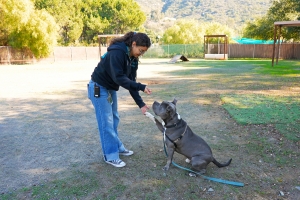 San Diego Humane Society shares how to start the new year on the right paw. Photo courtesy SDHS
East County News Service
Jan. 5, 2026 (San Diego County) — Behavior challenges left unaddressed can become the reason dog owners surrender their pet to a shelter like the County of San Diego Department of Animal Services.
With January being National Train Your Dog Month, the San Diego Humane Society is looking to help pet families and their dogs thrive with proper training methods.
"Whether you’re teaching basic commands or addressing challenging behaviors, dog training is key to building a more harmonious home," SDHS spokesperson Nina Thompson said.
Pet training is more than just teaching tricks — it leads to happier, healthier pets and helps keep the community safe.
For animals who wind up in the shelter, San Diego Humane Society’s Behavior & Training program is a lifeline. Through this program, experts provide training and rehabilitation for more than a thousand animals per year to help them become adoptable.
The SDHS is sharing some tips for dog owners to help with training:
Choose the right learning environment
In-person classes, may be overwhelming for some dogs. Many dogs learn best in the comfort of their own home, or in a lower-traffic outdoor space where there are less distractions. Online dog training can be highly effective and is accessible for a variety of schedules and price points.
Use positive reinforcement training methods
Research shows that using humane, positive reinforcement-based training methods is the most effective way to help pets learn new behaviors and bond with their owners. Aversive or punishment-based methods, like prong collars or shock collars, rely on fear and intimidation and hurt our relationships with our pets.
Provide the right rewards
Not all dogs are motivated by treats — but there are other ways to positively reinforce your dog. Rewards can be anything your dog finds motivating: a favorite toy, a game of tug, chasing a ball or receiving praise and affection.
Find a trainer you can trust
Dog training is an unregulated field, and searching for an appropriate trainer for your pets’ needs can feel overwhelming. Look for certified, reward-based trainers who demonstrate continual self-education. Visit sdhumane.org/training for a list of local trainers recommended by the San Diego Humane Society.
Pet training is more than just teaching tricks — it leads to happier, healthier pets and helps keep our community safe. This month, start 2026 on the right paw by helping your pet become the best version of themselves.



Comments
Another thing...