
 Printer-friendly version

 By Miriam Raftery
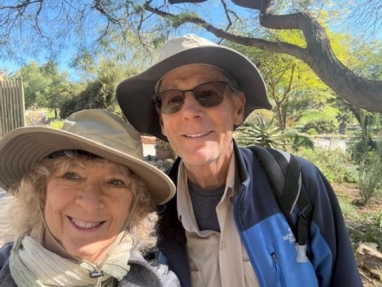
February 23, 2026 (San Pasqual Valley) – Who knew that giraffes sleep only 5 to 30 minutes a day, while standing up? Or that some flamingos are white, not pink, to stay cool during extreme heat? Those are just some of the fun facts my husband and I learned while visiting the San Diego Safari Park on Saturday, taking advantage of free admission for seniors age 60 and up (with ID proof of age) throughout February.
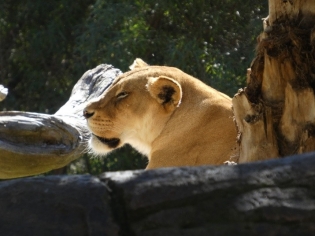 If you haven’t been for a few years, you may be pleasantly surprised by the changes. You can see lions up close through a glass window, for example, as well as in a grassy area across a moat for unobstructed photograph.
There are exhibits showcasing animals from Australia (including kangaroos, koalas and even a platypus), Asia (love the tigers!), Africa and more.
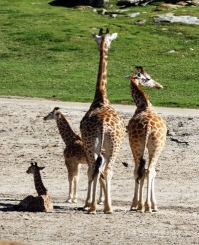
Arrive early (the park opens at 10 a.m.) and head first to the tram ride, since waits become long as the day progresses. This trip, the highlights were two baby giraffes—one just days old, the other a month old and already standing seven feet tall!
We also saw sprinboks, Cape buffalo, a variety of antelopes, birds, and more. On past trips, we’ve seen rhinos and zebras, which had wandered out of site this time in the savannah open-air environment where multiple species cohabitate just as they do in Africa.
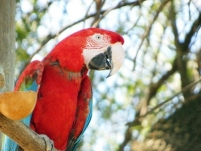 A show in the amphitheatre (just past the gorilla exhibit) is worth seeing. Following a short video on wildlife conservation efforts, visitors can thrill to the sights of raptors flying just inches above the audience, see tropical birds such as macaws and a toucan, as well as an anteater.
The Safari Park has had some major successes in conservation. Most notably, California condors that were once extinct in the wild, with the last 22 brought into captivity, have been successful bred at the Safari Park and many have been rereleased into the wild—now numbering over 500.
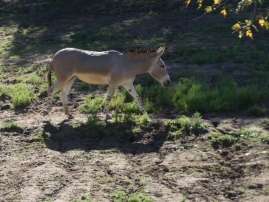 Due largely to war, there are only 200 Somali wild asses left on earth – and the Safari park has 10 of those, with hopes to breed them and someday reintroduce them to their native habitat if peace is restored.
If you have extra money to spend while not paying admission, you can opt for special adventures such as an open-backed truck safari for up-close photos, or ascend a tethered hot-air balloon for birdseye views.
If you’re looking for heart-healthy food options, you can find some including a quinoa salad with fresh fruit, frozen fruit slushies and more. There are also meatless burgers for vegans and vegetarians.
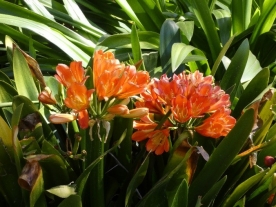 The Safari Park is also noted for its vast collection of botanicals, in recognition that plants are what make any habitat sustainable.
Souvenir shops are always fun to browse in; I couldn’t resist a book for our grandson with animals that make noises when the reader touches a furry spot. Whether you want a novelty item such as a giraff hat with horns, carved African animals, Safari wear, toys such as bubble wands shaped like animals, or wildlife-themed Christmas ornaments, you’’ll find plenty of unique items in the park’s gift shops.
Although admission is free in February for seniors, there is a $20 parking fee. We saw many seniors with grandchildren, delighting in the many exotic animals there
While there are ample opportunities for active seniors to hike the full extent of the park, it also has many accessibility options to aid seniors and others with mobility challenges or hearing limitations. There’s a tram for those with mobility challenges, as well as scooter and wheelchair rentals.
The elephant exhibit is being redone, with the new Elephant Valley set to open up March 5. If you miss free admission in February, Elephant Valley should be worth the cost of admission next month.
For more information, visit https://sdzsafaripark.org/.



Recent comments