
 Printer-friendly version

 By Paul Levikow
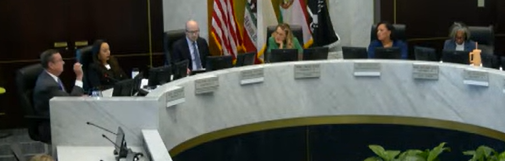
January 16, 2026 (San Diego) – San Diego County is facing increased budget challenges when it comes to providing fire preparedness in unincorporated areas, prompting the Board of Supervisors to take actions to improve how fire infrastructure is delivered and maintained.
The Board Tuesday voted to approve a plan aimed at strengthening fire preparedness while protecting taxpayer dollars at Cal Fire/County Fire’s 22 stations. The vote was 4-0 with Supervisor Jim Desmond absent.
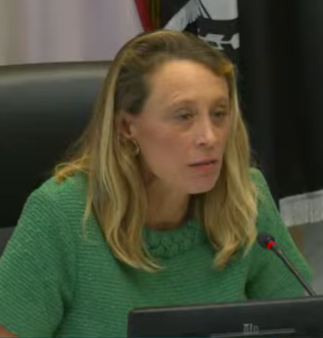 The proposal was brought before the Board by Supervisor Terra Lawson-Remer (right), who earlier in the day was re-elected by her colleagues to serve a second one-year term as the Board chair.
“We are facing a challenging budget environment. Deep federal cuts are putting pressure across county services,” Lawson-Remer said. “This proposal focuses on reducing avoidable fire station maintenance and construction costs at a time when construction prices have risen sharply and every taxpayer dollar must work harder.”
The plan will allow firefighters to handle clearly defined, non-technical maintenance tasks at fire stations to improve responsiveness and day-to-day conditions, Lawson-Remer wrote in a letter to the Board.
“Allowing on-site firefighters to address routine issues, such as painting, cleaning equipment, replacing light fixtures, and clearing downed trees, reduces delays and avoidable costs, particularly at remote stations,” Lawson-Remer said. “Major maintenance and repairs requiring technical skills will continue to be handled through established County processes.”
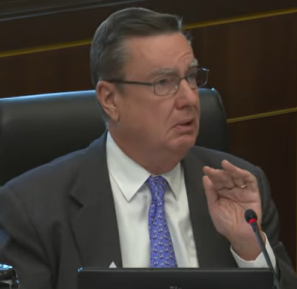 Supervisor Joel Anderson (left), whose District 2 encompasses most of East County, said the Descanso fire station is 85 years old and needs to be replaced. It can hold only one fire truck, when it should be housing two, he said. A new station was estimated to cost $26 million.
“It’s not news to you all that my district is the epicenter of the most high-risk fire areas in San Diego County. And I believe that we need to do everything we can and to maximize every dollar that we put into Cal Fire so that we have the best fire protection in the state,” he said before the vote. “Our firefighters do an incredible job protecting us every day and we can both strengthen our fire preparedness while making sure we protect taxpayer dollars.”
 Cal Fire Battalion Chief John Clark (right) appeared before the Board in support of the plan, representing the firefighters local #2881 as deputy vice president.
“This is a practical, responsible solution that reflects the fiscal realities that we are all facing. Our goal is efficiency, accountability and cost-effective use of taxpayer dollars,” Clark said. “It reduces delays, lowers cost end ensures facilities remain safe and operational for those who protect this county every day. It’s fiscally responsible, operationally sound and in the best interest for both workforce and residents of San Diego County.”
Modern fire stations are critical to fire preparedness and climate resilience, especially in the context of federal disinvestment. High-quality, well-maintained stations lower response times, expand response capabilities, improve quality of life, and protect first responders from harmful chemicals and pollutants in their living quarters and workspaces, according to Lawson-Remer’s letter.
County Fire inherited a number of fire stations over the years that need significant investment. The Descanso station was converted from a house built in the 1940s and the Borrego Springs station used to be an old lumber yard. Fifteen stations remain in the condition in which they were inherited and cost the County a minimum of $700,000 annually for routine maintenance on the aging facilities.
Over the last ten years, the County invested $39.8 million replacing fire stations in Boulevard, Pine Valley, Mt. Laguna, Palomar Mountain, and East Otay Mesa, and an additional $4.8 million on renovations and repairs over the last five years.
 Supervisor Paloma Aguirre (left) said fire preparedness is now year-round, not seasonal.
“I think this item reflects clear commitment to public safety and fiscal responsibility and respect for the professionals who protect our communities every single day,” Aguirre said. “It ensures that investments in fire infrastructure directly support faster response times, safer facilities and better day-to-day conditions for firefighters who live and work in these stations while protecting taxpayer dollars and avoiding unnecessary delays and costs.”



Recent comments